When a tankless water heater begins to falter, homeowners are faced with a critical decision: to repair or replace it. While a swift repair might restore heat temporarily, a complete replacement could enhance energy efficiency and performance in the long run. As tankless models vary extensively in features and lifespan, this decision is far from straightforward.
Understanding the nuances of tankless water heater functionality and weighing the cost-versus-benefit of repair against replacement will guide you towards the most economical and sustainable choice. In this article, we examine key decision factors that will help homeowners navigate this dilemma with confidence.
tankless water heater repair Assessing Tankless Water Heater Issues: Repair or Replace
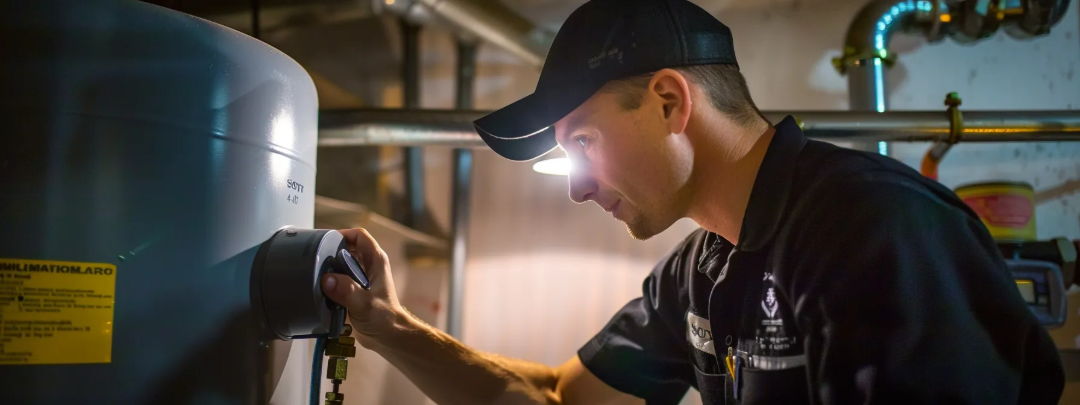
Identifying the root issues of your tankless water heater is the first step in deciding between repair or replacement. Common repairable issues might include mineral build-up, ignition failure, or system overload, which can often be rectified by a certified technician. However, chronic problems or multiple component failures signal deeper system malfunctions. For instance, seeking professional tankless water heater repair may help address these issues effectively.
A detailed diagnostic by a professional can reveal whether your heater’s issues are a symptom of aging or if they’re simply isolated malfunctions. For example, error codes can indicate specific failures, which may be less costly to repair than to replace the entire unit. Persistent issues such as frequent shutdowns or fluctuating temperatures might warrant further examination.
Actionable guidance would be to document the frequency and severity of issues before consulting a technician. Doing so provides a clearer picture of whether your water heater’s condition requires a one-time fix or an upgraded solution. Timely action can prevent extensive damage and higher costs in the long run.
Cost Analysis: Repairing Versus Replacing Your Tankless Water Heater
The financial aspect of repairing or replacing a tankless water heater can be pivotal in your decision-making process. Repair costs can add up, particularly if parts are out of warranty or hard to come by. In contrast, a new unit, while having a higher upfront cost, may offer better energy savings and a new warranty period.
Calculating the cumulative cost of repairs over time against the investment in a new unit should include factors such as energy efficiency, water usage, and potential state or local rebates for eco-friendly models. Age is also a significant determinant; a tankless water heater close to the end of its expected service life may be more costly to maintain than replace.
Homeowners should conduct a break-even analysis, comparing the expected lifespan and energy savings of a new model against the repair costs of the old one. This financial evaluation is essential to ensure the most cost-effective and eco-conscious solution is chosen.
Longevity and Efficiency: When to Invest in a New Tankless System
Longevity and efficiency are critical factors when contemplating the choice between repairing and replacing a tankless water heater. Modern tankless systems are designed to last for over 20 years and offer considerable energy savings, which might not be the case with older, less efficient models requiring frequent repairs.
Efficiency loss in older units can lead to increased energy bills, diminishing the initial cost benefits of a repair. A new, high-efficiency tankless water heater not only reduces monthly expenses but also complies with recent energy standards, contributing positively to environmental sustainability. Moreover, advancing technology offers better functionality and user-friendly features.
If the current system is dated or showing signs of fatigue, investing in a new model could be the prudent long-term choice. Seeking expert advice and evaluating newer models for their longevity and efficiency specifications is advisable to make an informed decision.
Navigating Warranty and Service Life Expectations in Tankless Water Heater Maintenance
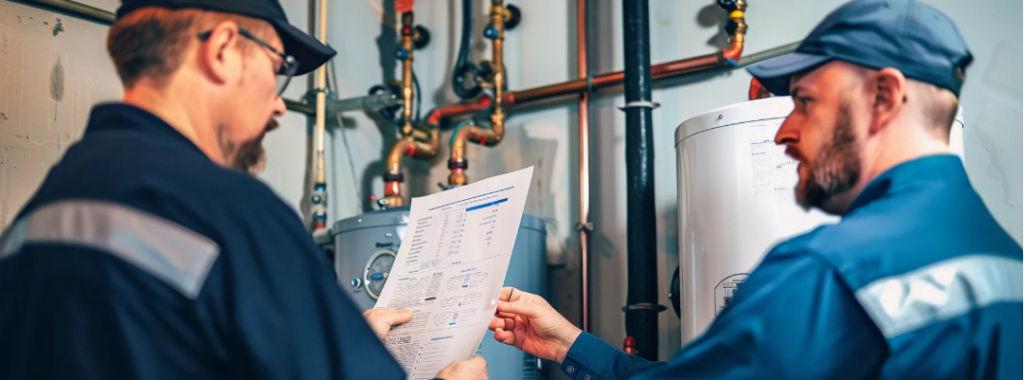
Warranty coverage is a significant factor in determining whether to repair or replace a tankless water heater. Many manufacturers offer extended warranties that cover significant parts and labor costs, potentially making repairs more cost-effective if issues arise within the warranty period.
Understanding the terms of your warranty, including what components are covered and for how long, is essential. Certain conditions or maintenance failures can void a warranty, so adherence to regular check-ups and servicing prescribed by the manufacturer will ensure your entitlement to repair coverage.
It’s advisable to track the service life of your water heater in conjunction with the warranty expiry. Once a system surpasses its warranty period, especially if it is nearing or beyond its expected lifespan, replacement becomes a more appealing option for maintaining reliable hot water service without incurring prohibitive repair costs.
Ultimately, the decision to repair or replace a tankless water heater is a complex one that involves thorough consideration of factors such as cost, efficiency, longevity, and warranty coverage. By understanding these key elements, you can make an informed decision that balances immediate needs with long-term benefits and cost savings. The right choice will ensure you enjoy continuous hot water, sustainable operations, and peace of mind for years to come.